


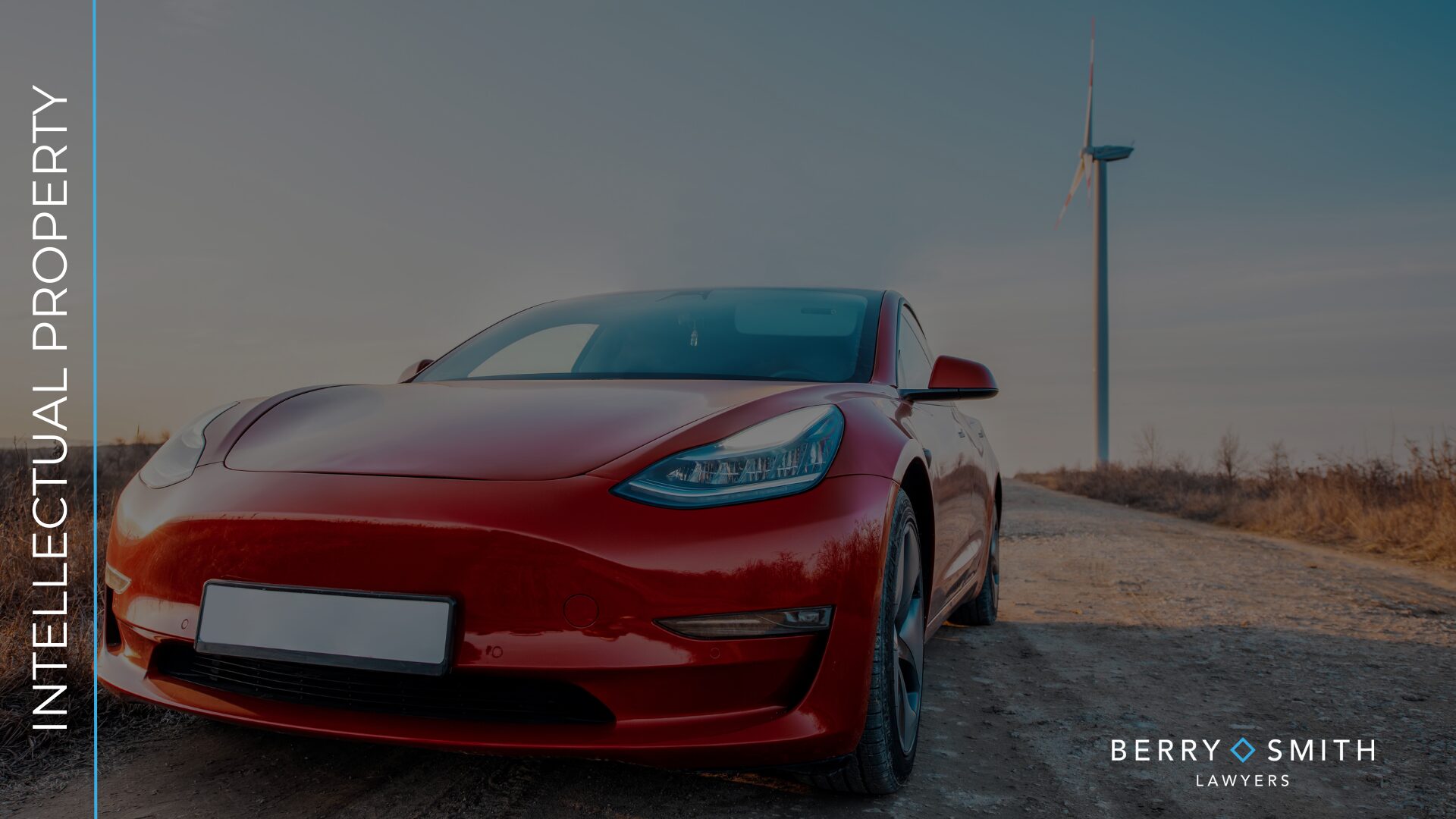
Tesla’s plans for its autonomous “Cybercab” vehicle have hit an early legal hurdle in 2026, following difficulties securing trademark protection for the name. While the project itself has generated significant attention, the branding issue highlights a familiar but often underestimated risk in intellectual property law: trademark squatting.
The situation serves as a reminder that even market-leading businesses can face serious commercial consequences where IP strategy does not keep pace with innovation.
The Cybercab and Tesla’s Autonomous Vision
The Cybercab is designed to be a core component of Tesla’s long-term robotaxi ambitions; a purpose-built, fully autonomous vehicle intended for driverless ride services. The concept was unveiled publicly at a high-profile event, placing the name firmly in the public domain well before legal protection was secured.
That timing proved to be a critical misstep.
How Trademark Squatting Entered the Picture
Following Tesla’s public unveiling, a third party moved quickly to file for trademark rights in the name “Cybercab” ahead of Tesla in key jurisdictions. This practice, commonly referred to as trademark squatting, involves registering a brand name with no genuine intention to use it in the relevant market, often with the aim of extracting value from the rightful brand owner later.
As a result of the earlier filing, the U.S. Patent and Trademark Office has suspended Tesla’s application, citing concerns around existing rights and the likelihood of confusion. Tesla is now left with limited and potentially costly options, including negotiating a settlement, challenging the validity of the registration, or rebranding the vehicle altogether.
Why Timing Is Critical in Trademark Protection
Trademark rights are heavily influenced by timing. Publicly announcing a product name before filing an application can create an opportunity for third parties to secure rights first, particularly where a brand is likely to attract media attention.
Trademark squatting can lead to:
· Loss of control over a brand name
· Commercial leverage being handed to third parties
· Increased legal costs and delays
· Forced rebranding late in development
For high-profile launches, the risks are amplified.
A Wider Pattern of Branding Difficulties
The Cybercab issue also follows earlier challenges faced by Tesla in protecting branding associated with its self-driving initiatives. Attempts to secure broad or descriptive terms have encountered resistance, reflecting the difficulty of claiming exclusive rights in language that may already be in common use.
Together, these issues demonstrate the importance of choosing distinctive brand names and protecting them early through a coordinated IP strategy.
Key Lessons for Businesses
Tesla’s experience offers practical lessons for businesses launching new products or services:
· Conduct trademark clearance searches before public announcements
· File trademark applications early, ideally before launch
· Be alert to the risk of trademark squatting in high-profile projects
Addressing these issues at the outset is far more effective than attempting to resolve disputes after rights have been lost.
Berry Smith’s Bottom Line
The Cybercab trademark setback illustrates how vulnerable even well-known brands can be to trademark squatting and delayed IP protection. Trademarks are a critical commercial asset, and failures in timing or strategy can have lasting financial and operational consequences.
If you’re considering trademark protection for your brand, product or creative work, early planning and expert legal guidance can help you develop the strongest strategy tailored to your commercial goals. If you have any queries or need any assistance relating to trademarks, please do not hesitate to contact us at commercial@berrysmith.com or on 029 2034 5511.