


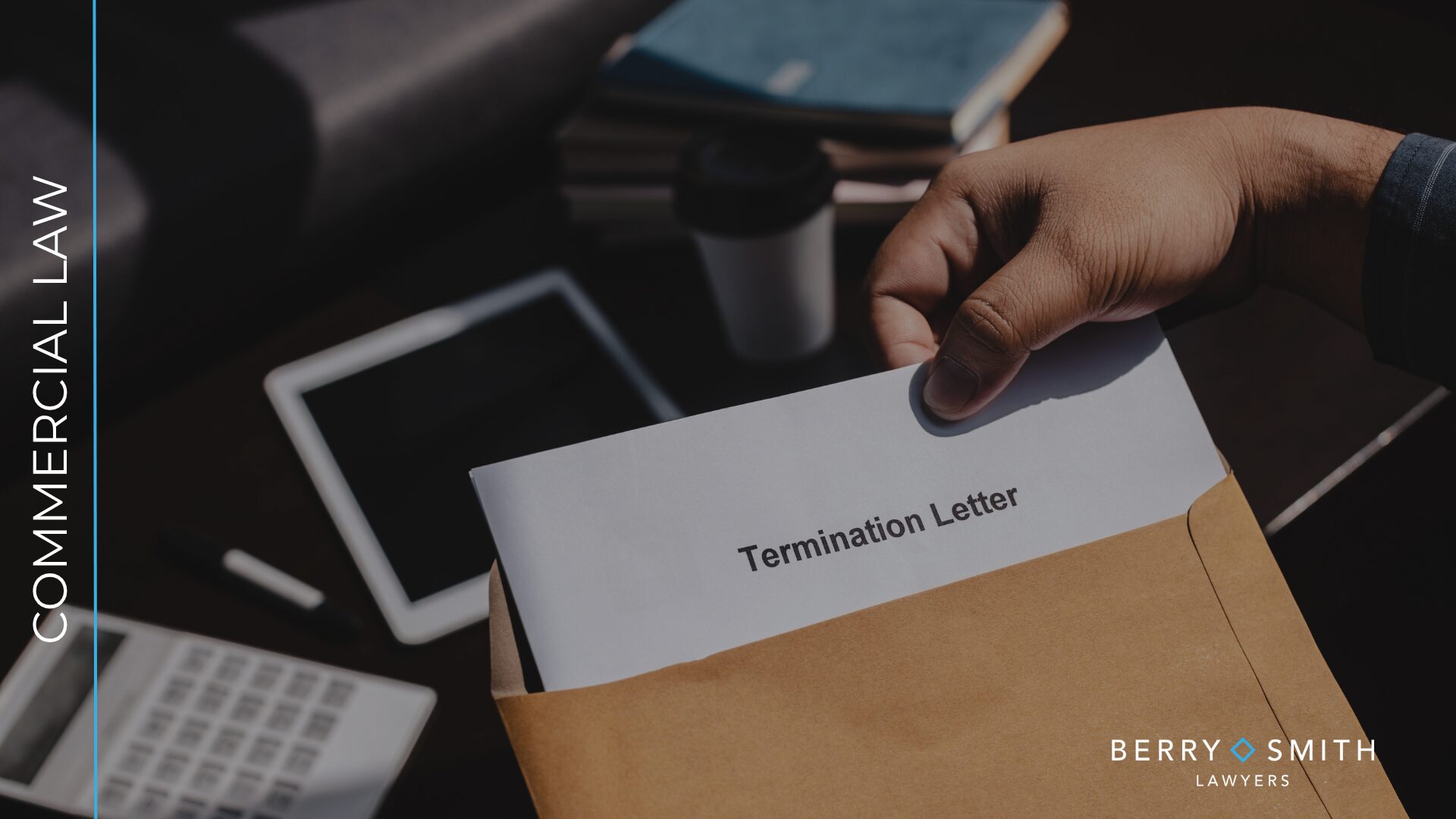
Whether you’re entering into a new commercial agreement, renewing an existing contract, or reviewing supplier arrangements, it’s easy to focus on how the relationship will begin. However, understanding how the relationship can end is just as important.
This is where termination clauses come into play.
Often overlooked during negotiations, termination clauses provide a structured mechanism for ending a contractual relationship and can help businesses avoid costly disputes, prolonged commitments, and unnecessary risk. In many ways, they act as a legal escape plan, ensuring that if circumstances change, there is a clear route out.
What Is a Termination Clause?
A termination clause sets out the circumstances in which one or both parties can bring a contract to an end before its natural expiry date.
Without a well-drafted termination clause, a party may find itself locked into an agreement that is no longer commercially viable or beneficial. Termination provisions provide certainty by clearly defining when and how a contract can be ended.
Common Types of Termination Rights
– Termination for Convenience
A termination for convenience clause allows one or both parties to terminate the contract without needing to demonstrate fault or breach.
Typically, a party can exercise this right by providing a specified period of notice.
This type of provision offers flexibility, particularly in long-term commercial arrangements where business priorities may evolve over time.
– Termination for Breach
One of the most common termination rights arises where a party breaches its contractual obligations.
The clause may distinguish between material breaches and minor breaches, often requiring the breaching party to remedy the issue within a specified period before termination can occur.
– Termination for Insolvency
Many commercial agreements include provisions allowing termination if one party becomes insolvent, enters administration, or ceases trading.
These clauses are designed to protect businesses from the risks associated with continuing a contractual relationship with a financially distressed counterparty.
– Termination Following a Change in Circumstances
Certain contracts include specific termination triggers linked to external events or changes in circumstances. These may include regulatory changes, loss of licences, force majeure events, or changes in ownership and control.
Such provisions can provide valuable protection where the continued performance of the contract depends on factors outside the parties’ control.
Why Termination Clauses Matter
A poorly drafted termination clause can create significant legal and commercial challenges.
Businesses may assume they have the right to exit a contract, only to discover that the agreement provides no practical mechanism for doing so. Equally, ambiguous drafting can lead to disputes over whether a termination was valid, potentially resulting in claims for damages or breach of contract.
A well-drafted termination clause should provide clarity on:
· The grounds for termination;
· Any notice requirements;
· Whether breaches can be remedied;
· The consequences of termination; and
· Any ongoing obligations that survive termination.
What Happens After Termination?
Ending a contract does not necessarily bring all obligations to an immediate end.
Many agreements contain provisions that continue to apply following termination. These may include confidentiality obligations, intellectual property protections, restrictive covenants, dispute resolution procedures, and payment obligations.
Businesses should also consider practical matters such as the return of property, transfer of data, handover arrangements, and ongoing customer obligations.
A comprehensive termination strategy should address not only how the contract ends but also how the parties manage the aftermath.
Berry Smith’s Bottom Line
Termination clauses are rarely one-size-fits-all. The appropriate provisions will depend on the nature of the transaction, the parties involved, and the commercial objectives of the agreement.
At Berry Smith, our commercial team regularly advises businesses on the drafting, negotiation, interpretation, and enforcement of termination provisions across a wide range of commercial contracts.
Whether you are entering into a new agreement, reviewing existing contractual arrangements, or facing a dispute concerning termination rights, we can help identify potential risks and ensure your position is properly protected.
Contact us: commercial@berrysmith.com | 02920 345 511