


Background
The 2024 Labour Manifesto committed to tackling late payment so that small businesses and the self-employed are paid on time. That commitment was reinforced on 31 July 2025, when Prime Minister Keir Starmer launched Backing your business: our plan for small and medium-sized businesses, placing late payment reform at the centre of the Government’s support for SMEs.
The consultation ran from 31 July 2025 to 23 October 2025. Businesses across the UK engaged with the Government’s proposals, providing a substantial evidence base for reform.
The impact of late payment
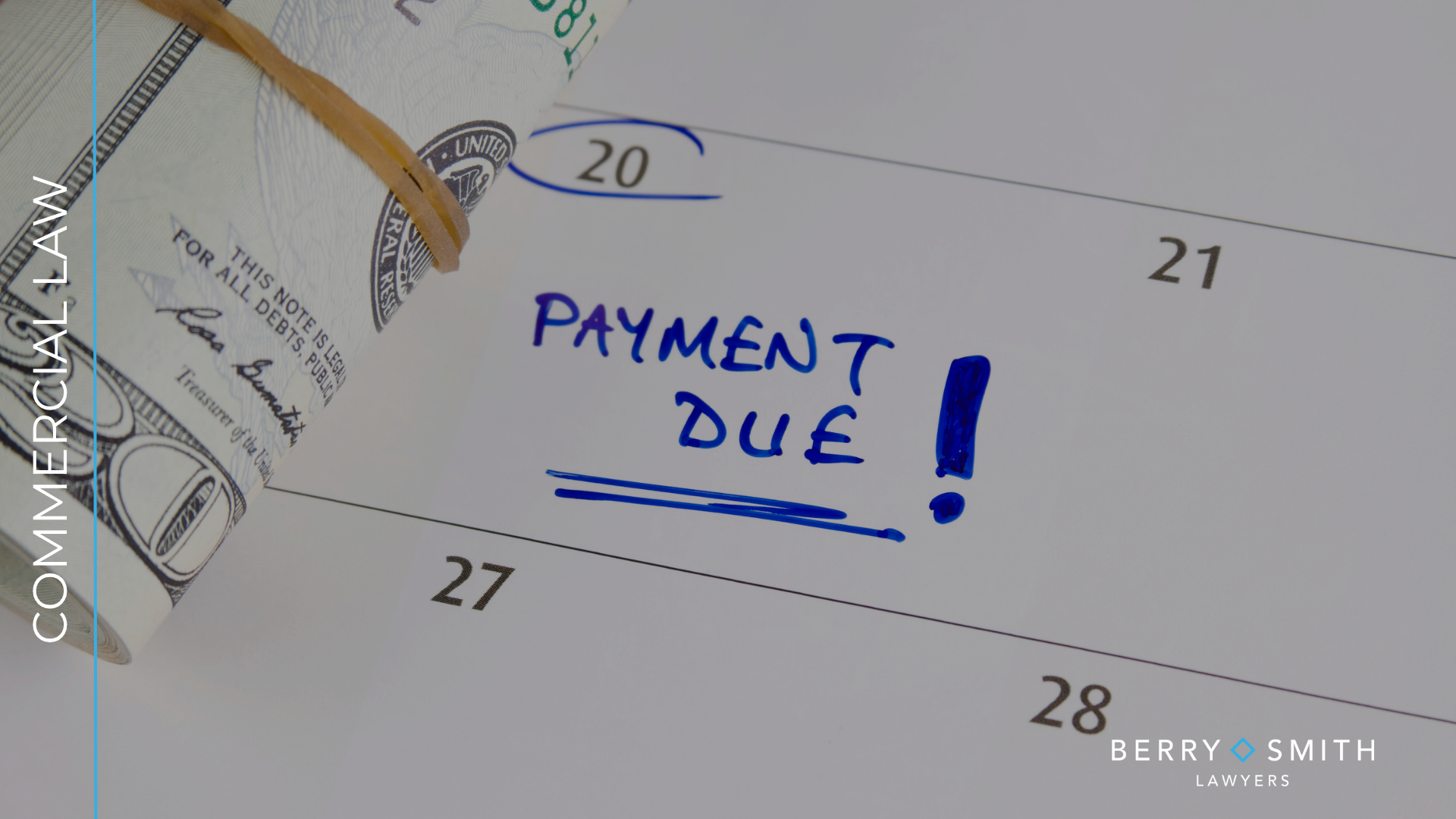
Late payment is estimated to cost the UK economy almost £11 billion each year. It is also linked to the closure of around 14,000 businesses annually, equivalent to approximately 38 businesses every day. Business owners affected by late payment spend, on average, 86 hours each year chasing invoices, amounting to around 133 million staff hours across UK businesses.
The consequences go beyond wasted time. Late payment restricts cash flow, making it harder for small businesses to pay employees and settle invoices with their own suppliers. It also limits a business’s ability to invest in their own growth, whether that be though be investing in new technologies or training.
The Government does not think it is morally right for small businesses and the self-employed to have to spend limited time and resources chasing payment for work already completed and sums legally owed. In the Government’s view, the status quo is wasteful, unproductive, and a barrier to small businesses fulfilling their potential as engines of economic growth.
What is the Government proposing?
The Government has said it will introduce new legislation as soon as parliamentary time allows. The key proposed measures are as follows:
1. Enhanced powers for the Small Business Commissioner: The Small Business Commissioner will be given powers to investigate businesses suspected of poor payment practices or inaccurate reporting, resolve payment disputes outside the court process and impose fines on businesses that persistently pay suppliers late or fail to comply with late payment legislation.
2. Board-level scrutiny: Boards or audit committees of persistently late-paying large companies will be required to publish commentary explaining why payment performance is poor and what action is being taken to improve it.
3. Maximum payment terms: Payment terms will be capped at 60 days, subject to strictly limited exemptions, to help ensure smaller businesses are paid within a reasonable period.
4. Deadline for disputing invoices: A statutory time limit will be introduced for raising invoice disputes. Businesses that fail to raise disputes within that period may be required to pay compensation to the supplier.
5. Mandatory interest on late payments: Commercial contracts will be required to include a right to statutory interest on late payments, set at 8% above the Bank of England base rate.
Berry Smith’s Bottom Line
These measures the Government are proposing will require a combination of primary legislation (an act of Parliament) and secondary legislation to enact.
The Government say they will stay closely engaged with businesses throughout the legislative process, and during the period of implementation once new powers are ready to come into force and will work closely with both the SBC and the Construction Leadership Council to produce guidance.
These new measures may mean that small businesses may need to consider amending their contracts so that these measures become a functioning part of those contracts. At Berry Smith, our Commercial team are happy to advise businesses on how they can strengthen their contracts to include tighter payment provisions, as these new measures develop. If you would like advice on your contracts, our team would be happy to help. Contact us: commercial@berrysmith.com