


Artificial intelligence has made it easier than ever to create convincing images, videos and audio of real people, without their knowledge or consent. For public figures, this presents not only reputational risk but also a significant commercial problem: the unauthorised exploitation of their name, likeness and voice.
Actors, musicians and brands are increasingly discovering that traditional intellectual property rights do not always offer clear or immediate protection against AI-generated content. In response, some are starting to look creatively at trade mark law as part of their defensive toolkit.
McConaughey’s Iconic Catchphrase Meets Trade Mark Law
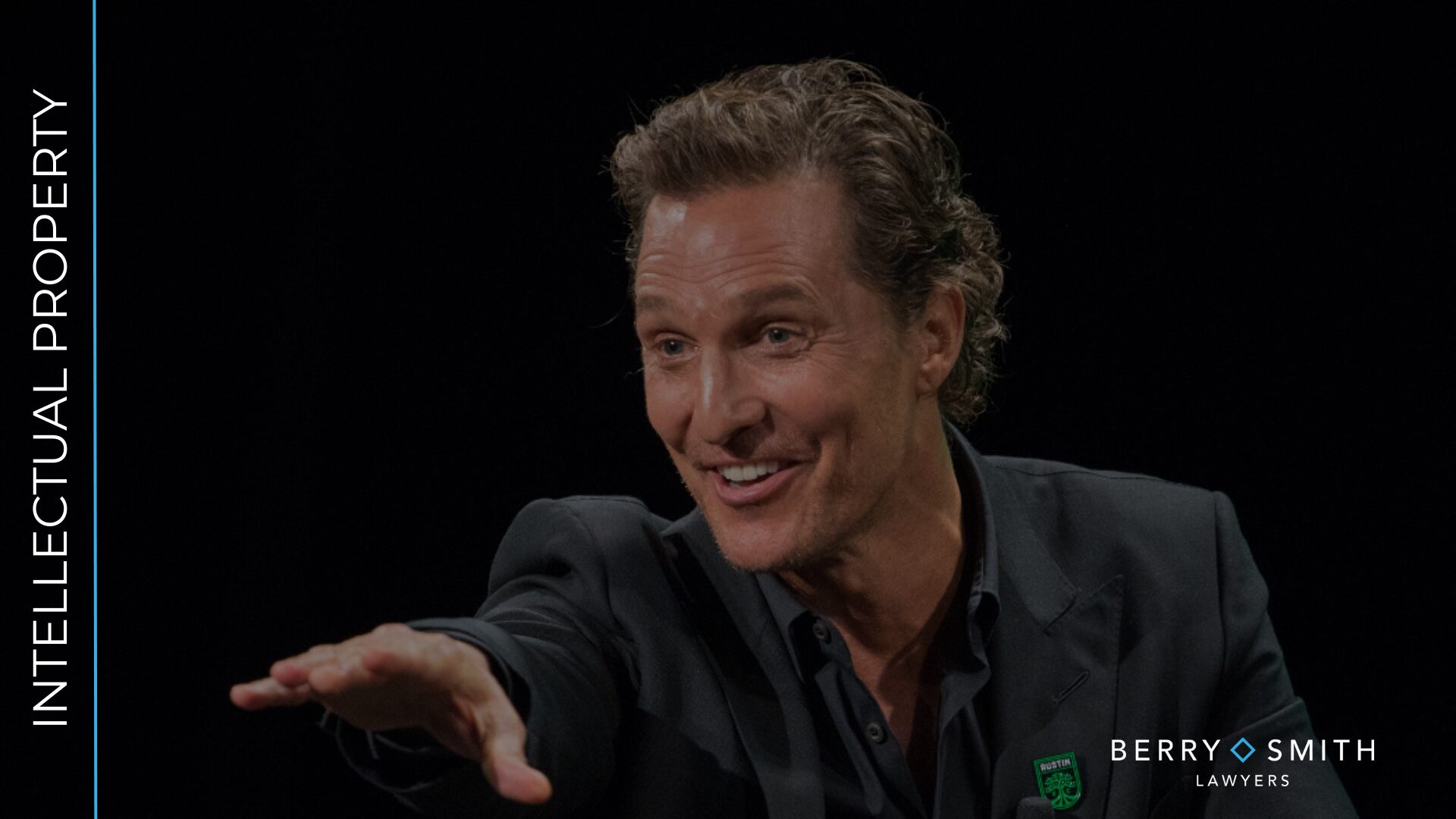
One of the most high-profile examples to date comes from Oscar-winning actor Matthew McConaughey.
Matthew McConaughey is synonymous with his laid-back delivery of the line “alright, alright, alright”, first uttered in the 1993 film Dazed and Confused. That phrase, along with clips of his image and voice, has now been registered as trade marks in the United States.
Rather than reacting to a specific misuse, McConaughey’s move is a proactive strategy. By registering these elements as trade marks, he is seeking to establish clear ownership and control over how his identity is commercially used, particularly in an AI-driven landscape where replication is cheap, fast and scalable.
This is widely viewed as the first time a major actor has attempted to rely on trade mark law in this way to counter potential AI misuse of their likeness.
AI, Deepfakes and Missed Licensing Opportunities
AI-generated deepfakes are not just a reputational issue; they represent lost revenue. Where an AI model can convincingly replicate a celebrity’s voice or appearance, it can replace legitimate licensing deals for advertising, narration or endorsements.
Legal experts increasingly point out that the challenge is not only stopping harmful content, but also preserving the value of identity-based IP. Trade marks can help by:
– Deterring unauthorised commercial use
– Strengthening takedown requests
– Providing leverage in negotiations with AI platforms
– Supporting licensing strategies built around consent
McConaughey himself has made clear that he is not anti-AI. He has invested in AI voice technology with his permission. The distinction lies in authorised use versus exploitation.
Berry Smith’s Bottom Line
AI is changing how value is created, and how it can be lost. Whether you are a business, brand owner or individual with valuable IP, trade marks remain one of the most powerful tools for protecting commercial identity, even in an AI-driven world.
If you are interested in ,registering a trade mark, reviewing your existing IP strategy or renewing or enforcing your rights, please do not hesitate to contact us at commercial@berrysmith.com or on 029 2034 5511.